Did we have winter this year? Not really. But winter or not, it’s time to transition our gardens to spring. This is always a great time of year – there’s a colorful, new plant palette to choose from at the change of each season.
First, spend a little time preparing your soil. This will have a huge payoff in plant longevity and flower and vegetable production. The rule is “feed the soil, and the soil will feed your plants.” It’s more than just feeding, though. Adding plenty of compost improves the texture of your soil in two important ways: nutrients become easier for plants to ingest, and your soil will hold water much better – a critical advantage on hot summer days.
Soil preparation is easy: feed and amend in one step. Apply a 2- to 3-inch layer of organic compost or planting mix. This can be homemade or bought at the garden center. Next, apply (on top of the compost) an organic plant starter fertilizer at the recommended rate. Then, with a shovel, turn the soil, compost and fertilizer to a depth of 6 to 8 inches deep. Deeper is better for vegetable gardens.
You’re ready You’re now ready to plant. Local nurseries and garden centers offer lots of choices — how do you decide? Start by knowing just how much sunlight your planting area gets.
Observe for a least a day, and don’t guess.
Full
sun means eight or more hours of direct sunlight – great for
vegetables, fruits and many flowers. Part sun can be a mixture of
things, but it must be at least four hours of sun and bright light (or
dappled light) for the rest of the day.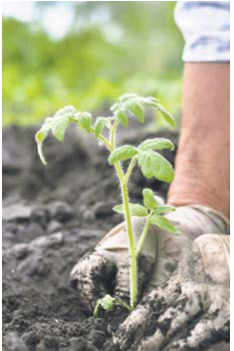
Shade can be early morning sun and shade for the rest of the day or indirect light all day long.
The
only caveat to these very general sunlight guidelines is this: direct
morning sun and direct afternoon sun in our Mediterranean climate are
very different things.
You’ll
need heat-loving plants for areas that get direct afternoon sun – even
if it’s only three to four hours. That’s lavender, sage, tomatoes,
squash, herbs, bay laurel, rockrose, and a host of other beautiful and
tough plants. The important thing is to match the plant’s light
preferences to what your garden actually has.
Your next qualifier should be plant size.
Measure
your space. Most people are not good guesstimators of the size of their
gardens. Make sure that the plants you choose will be adequate, but not
monsters, in your garden.
Look
at the plant labels for height and width requirements. Plants look best
touching, but not overcrowded. Nor will they grow well when planting
space is too tight.
The fun begins You’ve
narrowed your choices considerably. It’s all fun from here. Simply
choose your favorites. If it’s edibles you’re growing, grow only what
you like to eat. You’ll be amazed how garden-fresh herbs and veggies
make store-bought taste absolutely bland in comparison.
If it’s flowers you’re after and you like to harvest bouquets, consider your home’s interior colors.
Contrast
is always good – this sparks up and enlivens a room. Take a look at
home décor magazines. Flower bouquets are often the most colorful (and
contrasting) décor in rooms.
Also consider, of course, your home’s exterior color and the garden mood you want to create. Color can be energizing or calming.
Choose
your favorites, and don’t be afraid to experiment. You may even
discover a new must-have. Never be shy to ask questions at your local
garden center. They’re there to help you, to solve problems, and to
share in your triumphs. Happy gardening!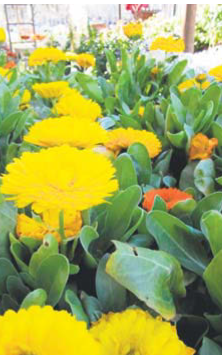
Dave
Coles is a California Certified Nursery Professional and Manager of the
Armstrong Garden Center at 735 E. Foothill Blvd. in Claremont, 909-
445-0744.
Free March classes and events
125th Anniversary Garden Party: 4-8
p.m., March 13. A special reception to thank Claremont for 125 years of
“growing” success. Enjoy refreshments and other perks, meet fellow
gardeners and get the first look at the new plants our growers have
developed for this year.
Tomato basics: 9 a.m., March 15. Tomatoes are easy to grow
and are great for beginning gardeners. In this class, you will learn
everything you need to know to grow delicious and juicy tomatoes.
Herb and veggies basics: 9
a.m., March 22. Growing your own herbs and veggies is fun and
rewarding. Learn how it’s done and what you’ll need to be successful
with your edibles.
A guy’s guide to gardening basics: 9
a.m., March 29. Dig right in and get a jump start on gardening. A
primer on the tools you’ll need, determining your soil type and
sunlight, and an introduction to mulching, planting, watering and more.
(Supportive women welcome.)