As the South Bay burg’s oceanside lifestyle soars, affordability takes a dive.
Long before the first Europeans set foot on the shores of Santa Monica Bay, it was, from the mouth of Ballona Creek southward, fronted by massive sand dunes.
The Spanish called the area Rancho Sausal Redondo, meaning “round clump of willows,” although there were no willows and precious few trees where the city of Manhattan Beach now stands.
Although it was in a remote region far from the growing city of Los Angeles, in the late 19th century the area began to attract a few hardy pioneers who built cottages atop the windblown dunes, which offered broad, unbroken ocean vistas.
Development of the shore proceeded at a glacial pace until the Santa Fe railroad ran a spur to nearby Redondo Beach, which made travel to the area more convenient.
Afew years later, the forerunner of the Pacific Electric Railway would also run a line down the coast, bringing in even more visitors to what was then known as “Manhattan” — so named as a tribute from one of its founders to his home city thousands of miles to the east.
From the beginning, the town struggled with its dunes. Extensive wooden boardwalks were laid out, as traditional sidewalks were quickly buried by the shifting sand. Windstorms would push the stuff against the ocean-facing fronts of the homes and businesses of the town, sometimes piling in drifts high enough to reach the tops of the lampposts lining the Strand.
Finally, contractors were brought in to cart the troublesome silicate away. Much of it was shipped to Hawaii to broaden Waikiki Beach; the floor of the Los Angeles Coliseum and the roadbed of Pacific Coast Highway were also built on Manhattan Beach’s surplus sand.
The
taming of the dunes thus complete, Manhattan Beach was free to grow.
The oil refineries to its north offered local employment, which
increased the number of year-round residents. World War II and the
resultant rise of the Westside and South Bay as dominant players in
Southern California’s aerospace industry brought even more well-paying
jobs to surrounding areas.
That
relative affluence has given way to stupendous levels of wealth, with
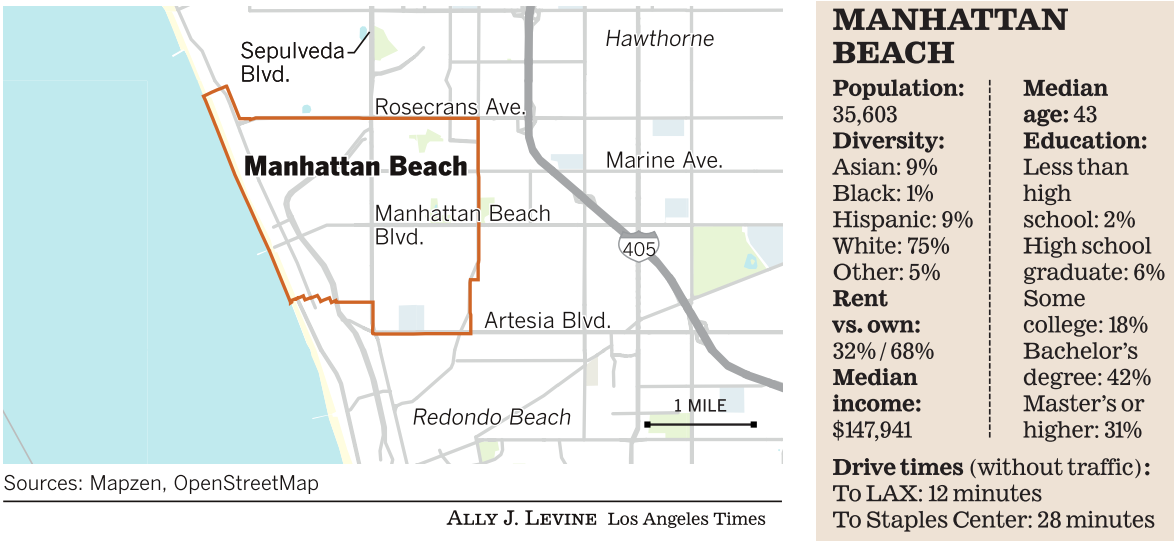
the median home price in Manhattan Beach topping $2.5 million.
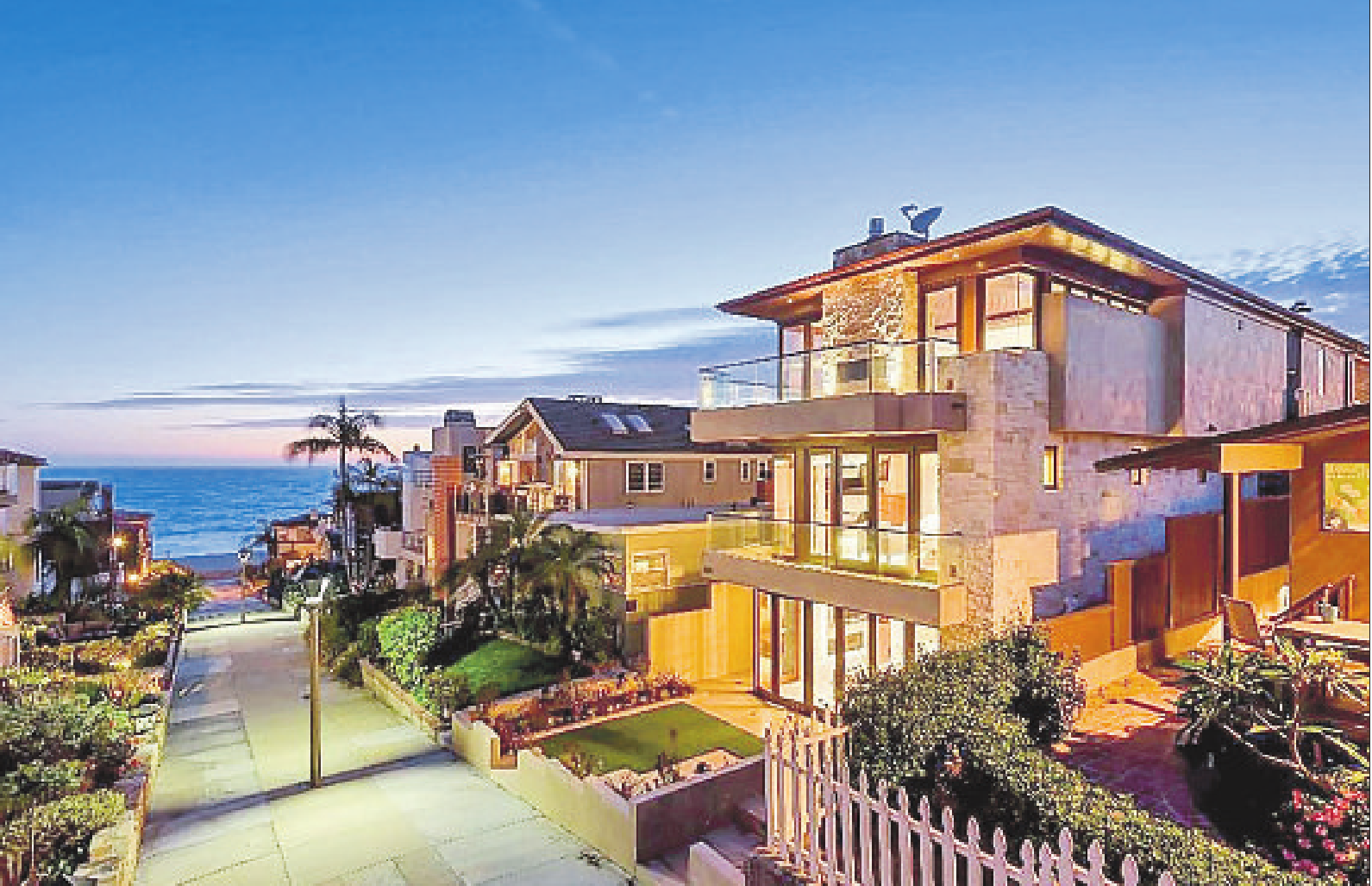
Neighborhood highlights Upscale beachy vibe: With its famous Strand and pier, Manhattan Beach offers the quintessential oceanside living experience, for those who can afford it.
Spot a sports star: Lakers
coach Luke Walton, Kings goalie Jonathan Quick and volleyball Olympian
Kerri Walsh Jennings are just a few of the pro athletes who call
Manhattan Beach home.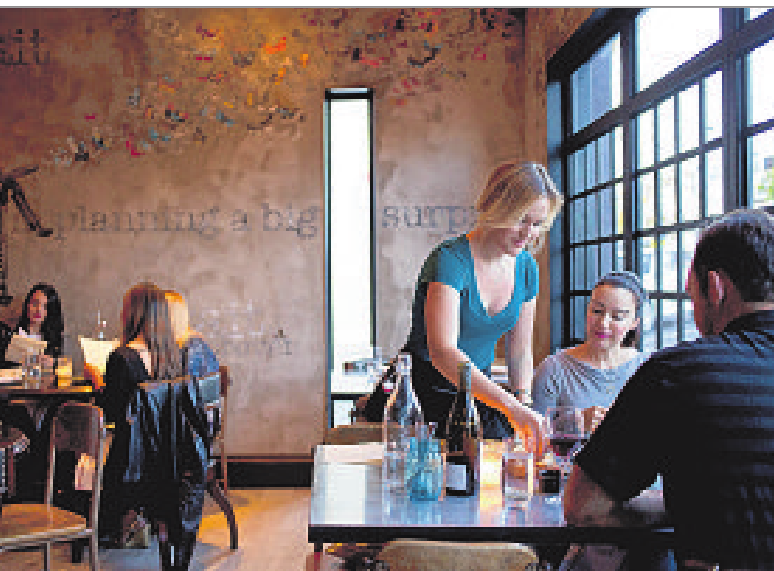
Fine dining: The
seafood joints are as good as you would expect from a beach town, but
MB’s culinary scene goes well beyond the catch of the day, with plenty
of choices for all palates.
Neighborhood challenge Those prices: There
are more expensive oceanside communities in the Southland (hello,
Malibu!) but Manhattan Beach is still unaffordable to all but the
wealthiest among us.
Expert insight Robb
Stroyke of Stroyke Properties has been operating in Manhattan Beach for
30 years and said Interstate 105 has changed the culture of the city.
“Before
the freeway, Manhattan Beach was a bedroom community filled with lots
of service workers living in small homes built after WWII,” Stroyke
said. “But since the 105 made access to downtown so easy, we’ve had an
influx of wealthier financial service workers move in.”
The
105 even affects home values, as houses near the highway are generally
much more valuable than their counterparts of the same square footage
across town.
Whereas
its neighbors, such as Hermosa Beach and Redondo Beach, function as
beach towns, Stroyke said, Manhattan Beach is more of a beach city, with
commuters from the finance and tech industries mingling with retirees
and families.
Market snapshot In
the 90266 ZIP Code, based on 28 sales, the median in August for
single-family homes was $2.55 million, according to CoreLogic, up 43.5%
year over year.
Report card Each
of the seven public schools within the Manhattan Beach boundaries
scored above 900 in the 2013 Academic Performance Index. Pacific
Elementary scored 968, and Grand View Elementary scored 966. Mira Costa
High scored 912.
Times staff writer Jack Flemming contributed to this report. hotproperty@latimes.com


