A city built around oil keeps its small-town feel while embracing the future.
In 1911, a small group of Standard Oil Co. employees boarded a Pacific Electric Railway car and headed south along the coast of Santa Monica Bay.
Like the beachgoers and vacationers sharing the train, they were sightseeing, but while their fellow passengers were probably gazing at the blue waters of the bay, the men stared intently at the coastal barrens to the east.
As the trolley clattered through alima bean field north of Redondo Beach, they called for the conductor to stop.
In a widely cited (and likely apocryphal) exchange the bewildered conductor cried, “But there’s nothing here!” Alighting the stopped train, one of the Standard Oil men is said to have replied: “No, but there will be.”
Nothing was precisely what they were looking for. They needed ablank space along the coast on which to build a refinery to complement the company’s existing facility nearly 400 miles to the north in Richmond.
In less than a year that notional refinery had been realized. A belching, smoking industrial complex replaced the bulldozed dunes and plowed-under bean fields. Standard Oil named it El Segundo, as it was the second refinery in California.
The company town to house the refinery’s workers was fortuitously built near the future site of Mines Field, L.A.’s first municipal airport. When that opened for flights in 1930, it became a center of activity for the burgeoning aerospace industry.
Over the decades, as the grass midways of Mines Field transformed into one of the busiest airports in the world, companies such as Hughes Aircraft and Boeing established operations in El Segundo. Despite the precipitous decline of the defense aerospace industry after the end of the Cold War, the city still plays host to Northrop Grumman and Raytheon, among others.
Recently,
El Segundo has emerged as the southern anchor of Silicon Beach. Major
video game companies and bootstrapped start-ups alike fill the office
parks and mid-rise towers lining Sepulveda Boulevard south of LAX. In a
sign of the tech district’s increasing draw, the Los Angeles Times
recently moved from its longtime home downtown to an El Segundo office
building a stone’s throw from the airport.
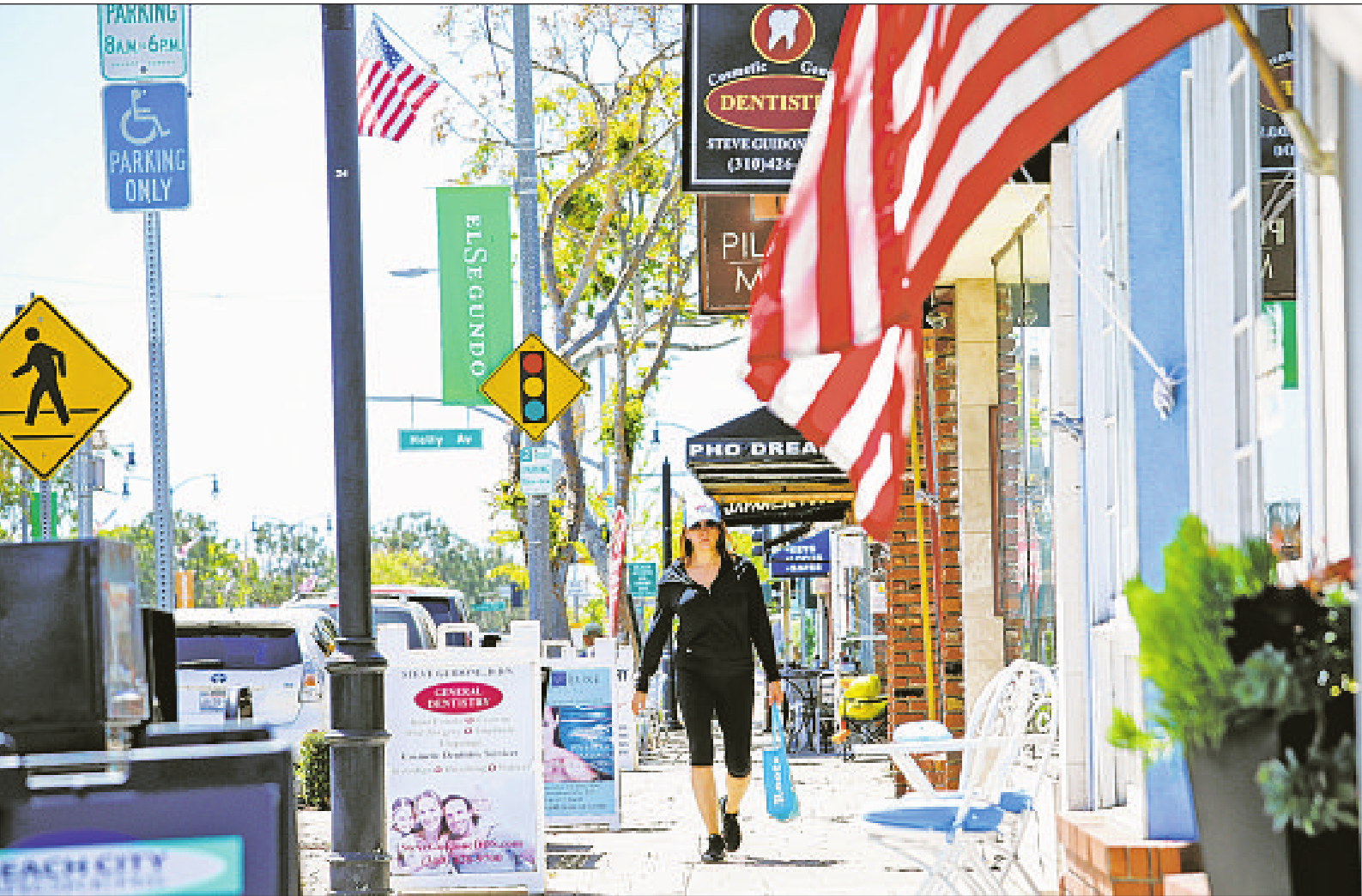
Neighborhood highlights Down on Main Street: It’s easy to miss El Segundo’s historic downtown, which provides a glimpse of the city in its earliest incarnation, including the Old Town Music Hall, dating from 1921.
Aviation nerds, rejoice: Whether
you’re looking for the perfect vantage point from which to plane spot
or want to relive the early days of air travel at the Flight Path
Museum, El Segundo has you covered.
Location, location, location: Close
to LAX, Silicon Beach, Culver City and other Westside employment
centers, El Segundo offers short commutes and Metro Rail access.
Neighborhood challenges
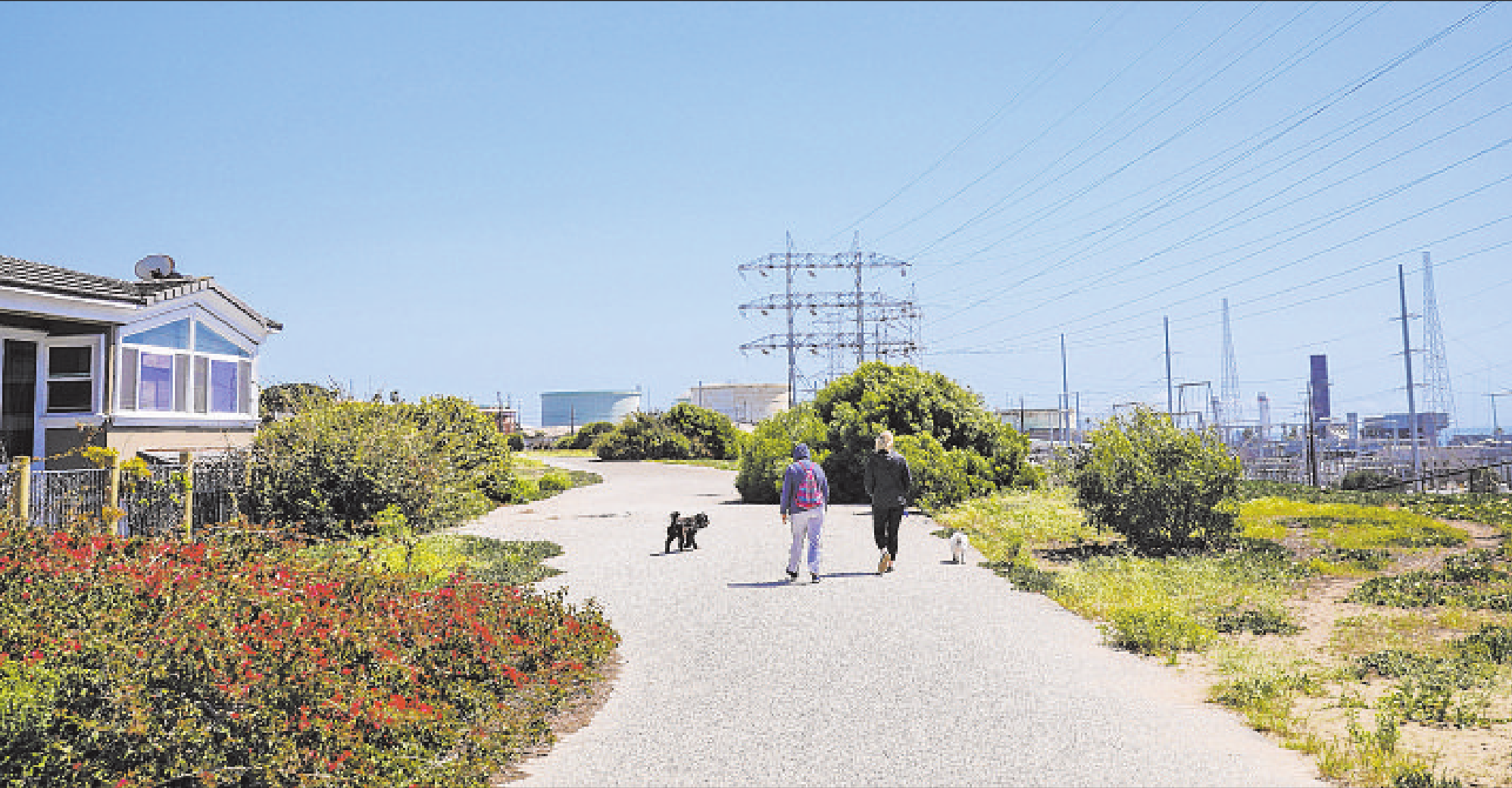
Surrounded by industry: Life
in the shadow of LAX, a massive oil refinery and a major sewer
treatment plant is not for everyone, but you take the bad with the good
in El Segundo.
Expert insight
Scot
Nicol of Nicol Real Estate has 12 years of experience in El Segundo and
credits the city’s success to “responsible evolution.”
“Many
places evolve too quickly and lose their sense of self,” Nicol said,
pointing to the hip, trendy growth of nearby Culver City. “We’re holding
tight to what has always defined us while walking steadily into the
future.”
Nicol defines
El Segundo as quaint, with parades, parks and a picturesque high
school. Many say it reminds them of their Midwestern hometowns.
On the development side, D.R. Horton is building two townhome communities in the city.
Newer
construction throughout the area exhibits a more modern style, but
Nicol said the majority of the housing stock consists of older Craftsman
and Spanishstyle homes.
“The
people El Segundo at tracts are interested in being here because of the
town we are, not the town we are going to be,” he said.
Market snapshot In
the 90245 ZIP Code, based on 10 sales, the median sales price for
single-family homes in August was $1.375 million, up 8.4% year over
year, according to CoreLogic.

Report card Three of the four public schools in the El Segundo boundaries scored above 900 on the 2013 Academic Performance Index.
Richmond
Street Elementary School scored the highest at 910, followed by El
Segundo Middle at 906 and Center Street Elementary at 901.
Not far behind is El Segundo High, which scored 880.
hotproperty@latimes.com Times staff writer Jack Flemming contributed to this report.