The Civil War in Southern California left no battlefields for anthropologists and archeologists to plunder — instead it offered a simmering cauldron of intrigue, espionage and boiling ethnic tensions in which the body count was measured in murder.
One conflict did rage here in the Foothills in that era that changed the face of the region – the battle for Dona Merced’s heart.
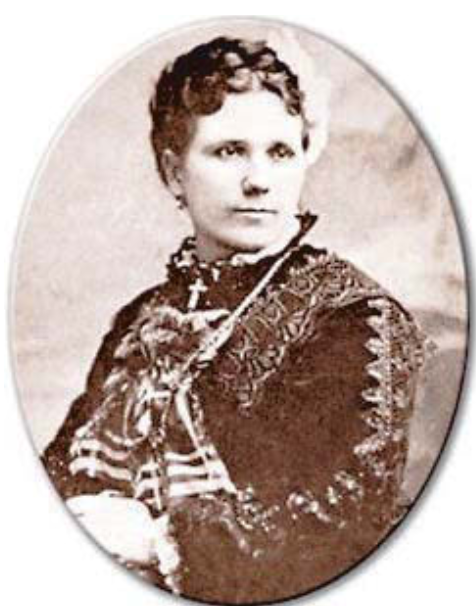
In 1862, Dona Merced de Williams de Rains was a pregnant young widow struggling to make a life for her four children and three half-sisters while keeping a debt-ridden Rancho Cucamonga solvent.
In addition to dealing with the investigation into her husband’s murder – one in which she was a prime suspect – a contin gent of regional political leaders and ranchers descended on the rancho to force the young widow into signing over power of attorney to the rancho to her brother-in-law, Rancho Chino owner Robert Carlisle. He was a man many believe had his own political interests rather than Merced’s well-being at heart.
Assassins at work
Still reeling from the shock of Rains’ murder, Merced watched helplessly as assassins gunned down Rains’ majordomo (foreman) Ramon Carrillo, who had come to the rancho to protect her. Rumors swirled that Ramon – also a suspect in Rains’ murder – was Merced’s paramour, which merely intensified the prejudice that already existed due to her rumored complicity in her husband’s murder.
So in the summer of 1864, two lawmen arrived at the ranch to investigate Ramon’s murder:
Constable for the Township of Los Angeles Jose Clemente Carrillo and San Bernardino County Undersheriff Henry Wilkes – and both found themselves smitten with the young widow and expanded their roles as investigators to protecting Merced and her brood.
Rivals for love
In the midst of a murder that nearly plunged the region into a civil war within a civil war, both Carrillo and Wilkes found themselves rivals for Merced’s affections while working together to solve the mystery of Ramon’s murder.
Within weeks, however, Merced accepted Carrillo’s offer of marriage. After being rejected by Merced, insult was unintentionally added to injury when Wilkes had to accompany Carrillo to San Bernardino to acquire the marriage license.
“Well, let her go is all I can say,” a heartbroken Wilkes wrote to his friend Judge Benjamin Hayes. “You might as well attempt to stop a mountain torrent as to turn her will when she has it set on any particular purpose.”
Legacy of Lolita
Jose and Merced remained married for 11 years and established Rancho Cucamonga’s first school in 1870, the Casa de Rancho Cucamonga. Carrillo painstakingly unraveled the financial morass that the rancho became in the wake of Rains’ murder.
Wilkes returned to San Bernardino, where he continued to be a respected leader in the region until his tragic death in 1868.
Along with starting Rancho Cucamonga’s first school, the union of Merced and Jose left the world another legacy when their great-granddaughter Lita Grey Chaplin’s shotgun marriage to Charlie Chaplin inspired Vladimir Nabokov’s classic novel “Lolita.”