Area teeming with history, landmarks and mass transit enjoys renewed popularity.
The steep, hilly countryside along the ArroyoSecowas once as wild and untamed as the body of waterthat formsits spine.
When swollenbywinter rains, the creek—typicallyaninconstant trickle —rages uncontrollably,sweeping all beforeitdown to the Los AngelesRiver andout intothe ocean.
That tempestuous seasonal waterway kept the arroyosettlements of the 19th centuryrelatively disconnected from the city downstream, and the rugged terrain mostly unconquered.
In the 1880s, however, Highland Parkand itsneighbor Garvanza took advantageofthe scenic isolation in different ways: Garvanza by developing as aresorttown completewithagrand hotel and a train station on the famed Santa Fe Railroad, and HighlandParkby becoming adestination for Angelenos traveling far away from the prying eyes of cityauthorities to partakeinthe wide variety of illicit activities on offer in the old SycamoreGrove.
Bothburgs were independent, but by the late1800s thecityofLos Angeles, in aprecursor of wavesof annexation to come, waswooing them with the same irresistible offer of plentiful waterand municipal servicesthatitwas pitching to communities up and down the arroyo.
With annexation to the city came an end of Sycamore Groveas aden of iniquityfollowing its transformation intoone of the first municipal parks in Los Angeles. Once both towns became apartof L.A., the slowabsorption of Garvanzaintogreater HighlandPark also began.
With trolleys coursing up and down Pasadena Avenue (now Figueroa Street) and the eventual taming of the ArroyoSecovia channelization, Highland Park began aperiodofrapid development as astreetcar suburb.
On the eastern edgeofthe
neighborhood, in Garvanza, an important center of the Arts and Crafts
movement flourished, beginningwiththe relocationof the Judson Studios
from downtowntoits currentlocation on Avenue 66,just southofYork
Boulevard.
The
neighborhood thrived throughout the prewarperiod, when many of the
landmarks that nowdefine HighlandPark—including the HighlandTheater and
the HighlandParkMasonic Temple—werebuilt. In the 1950s, the rise of the
suburbs sawthe beginning aperiod of transition for the neighborhood,
with Highland Parkbecominganimportant center of Latino life in L.A.
Now, as the neighborhood’s
Craftsman homes and walkable mix of commercial and residential projects
have enjoyed renewed popularity, it is experiencing an economic boom.
With a resurgent downtown just a few minutes away via the Metro Gold
Line, Highland Park’s 20th century streetcar suburb beginnings are
reasserting themselves more than100 years later.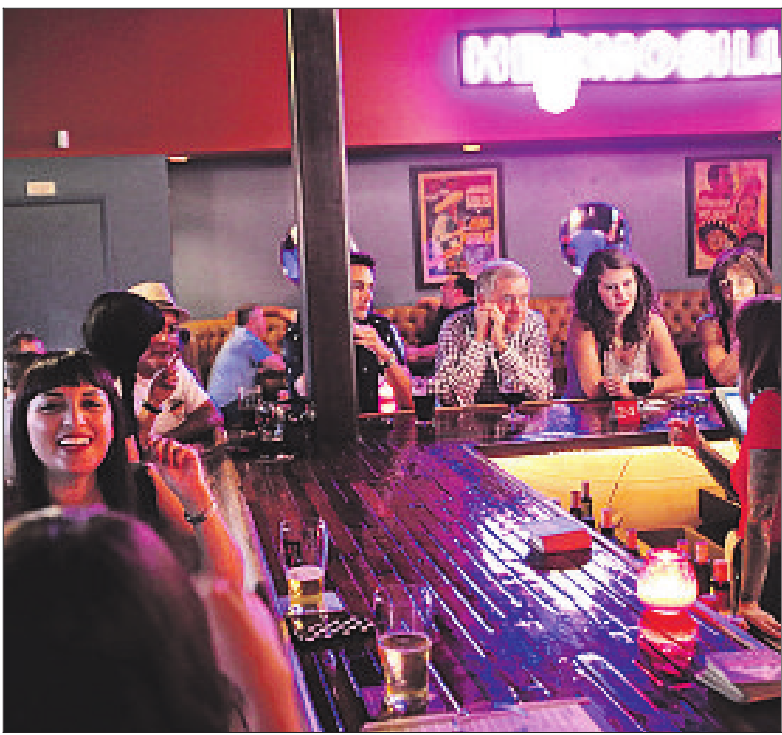
Neighborhood highlights Walkable history: Modern
Angelenos taking a stroll down Figueroa Street can take in some of the
same urban vistas that their predecessors saw a century ago.
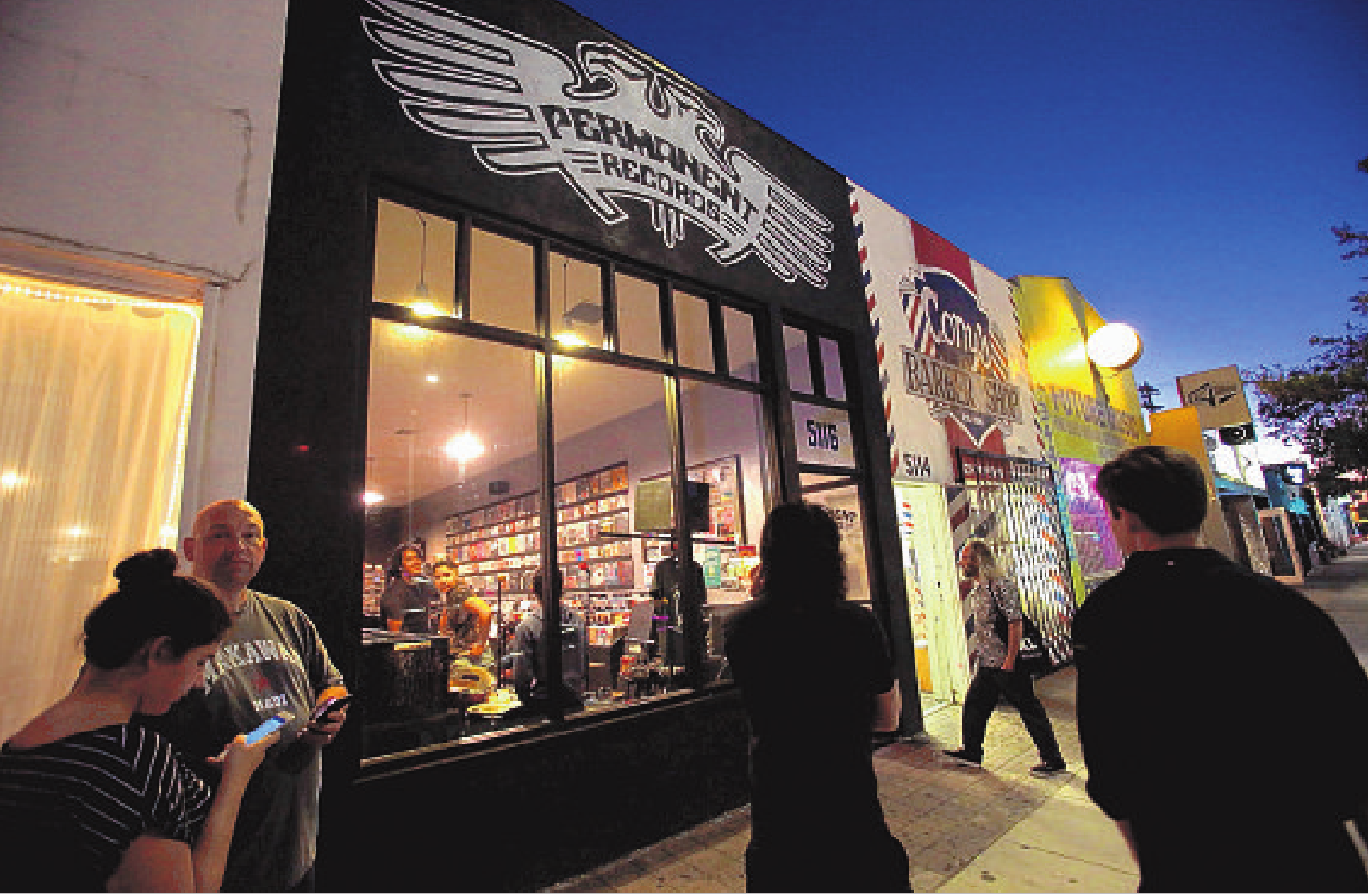
Eat, drink and be bowling: With
plenty of bars, restaurants and a newly renovated bowling alley (RIP,
Mr. T’s Bowl) HLP has some of the best nightlife in Northeast L.A.
Arts and crafts: Galleries, the Lummis House, the Judson Studios and more make Highland Park a draw for art lovers.
Neighborhood challenges
Apainful transition: Like
other fast-changing neighborhoods, Highland Park has not always been
able to accommodate the new without displacing the established. Expert insight Typically,
a new listing that has been renovated well will last about aweek on the
market, said Brendan Curran, a Northeast L.A. resident and agent with
Keller Williams Realty. But not everything is a quick sell.
“A
cheap flip doesn’t work in this area,” said Curran, who currently holds
the listing for an updated Spanish-style home in the neighborhood.
“Most buyers in this area are smart — they can sniff out a cheap flip.”
Given
the dearth of inventory, most properties will receive multiple offers
if priced reasonably, he said, which can present challenges for
potential home buyers.
“It’s really important in this area to have a local
agent,” Curran said. “The agent really needs to guide the buyer into the
right price point, because most listings are going to have multiple
bids and sell for over the asking price.”
Market snapshot In
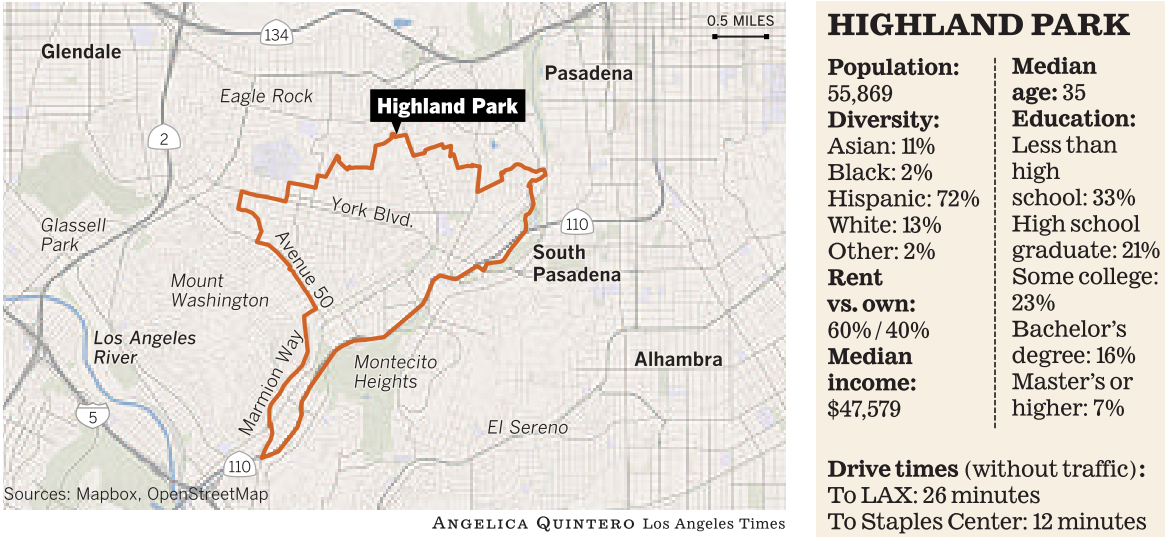
the 90042 ZIP Code, based on 29 sales, the median sales price for
single-family homes in December was $670,000, according to CoreLogic.
That was a 6.3% increase year over year.
Report card There
are more than a dozen schools within the boundaries of Highland Park.
Among them is Garvanza Elementary, which scored 802 out of 1,000 in the
2013 Academic Performance Index. Buchanan Street Elementary had ascore
of 757, San Pascual Avenue Elementary scored 750 and Monte Vista Street
Elementary scored 748. Luther Burbank Middle scored 786. Benjamin
Franklin Senior High had a score of 713.
hotproperty@latimes.com


