Grand homes built for the citrus bourgeoisie recall the city’s agricultural heyday.
As perhaps befits a midsize city far from the region’s coastal urban core, Pomona has cannily counterprogrammed against its glitzy neighbor to the west with distinctly unflashy diversions such as the county fair and a motor speedway.
Not that the intentions of those who founded the town weren’t grandiose.
Whereas many cities that trace their histories back to the late 1800s embraced the mythos of Alta California when it came to naming their nascent metropolises, the founders of Pomana reached even further back, plucking an obscure Roman goddess out of the pantheon and dropping her on the city seal.
The name was fitting. Pomona was the goddess of fruit, and the city for which she was named would soon become one of the capitals of Southern California’s Orange Empire, a fragrant, unbroken sea of citrus trees stretching from Riverside to the San Fernando Valley.
Grand homes sprang up around Pomona to house the new citrus bourgeoisie, as well as oldmoney Easterners looking for a winter redoubt from which to send “Wish you were here” postcards festooned with brightly colored illustrations of oranges ripening in the sun to their shivering relatives back home.
The Orange Empire had such a hold on the public imagination that the Pacific Electric Railway ran excursion trolleys all the way from L.A. to the Pomona Valley, just so tourists could clap eyes on the groves of exotic trees.
It was a testament to Pomona’s status as an agricultural hub that the city was able, after six previous failures by other municipalities, to successfully stage the first Los Angeles County Fair in 1922.
The fair was a success, and in 1923 the city built permanent exhibition halls on the old
barley field which would become the Los Angeles County Fairgrounds,
future home of funnel cake burritos and Loverboy reunion shows.
Agriculture
doesn’t drive the economy of Pomona anymore. Institutional employers
such as Cal Poly Pomona provide the bulk of jobs, and the Orange Empire
excursion trolleys have been supplanted by Metrolink trains to serve
those who work in L.A.
Neighborhood highlights Affordable history: Pomona’s
historic neighborhoods are full of Craftsman homes that would easily
run into the high six figures in L.A., but can be had for almost half
the price.
Take the train: Commuters
in Pomona not only can avail themselves of Metrolink trains to Los
Angeles and Riverside, they will also soon be getting an extension of
the Metro Gold Line to Pasadena.
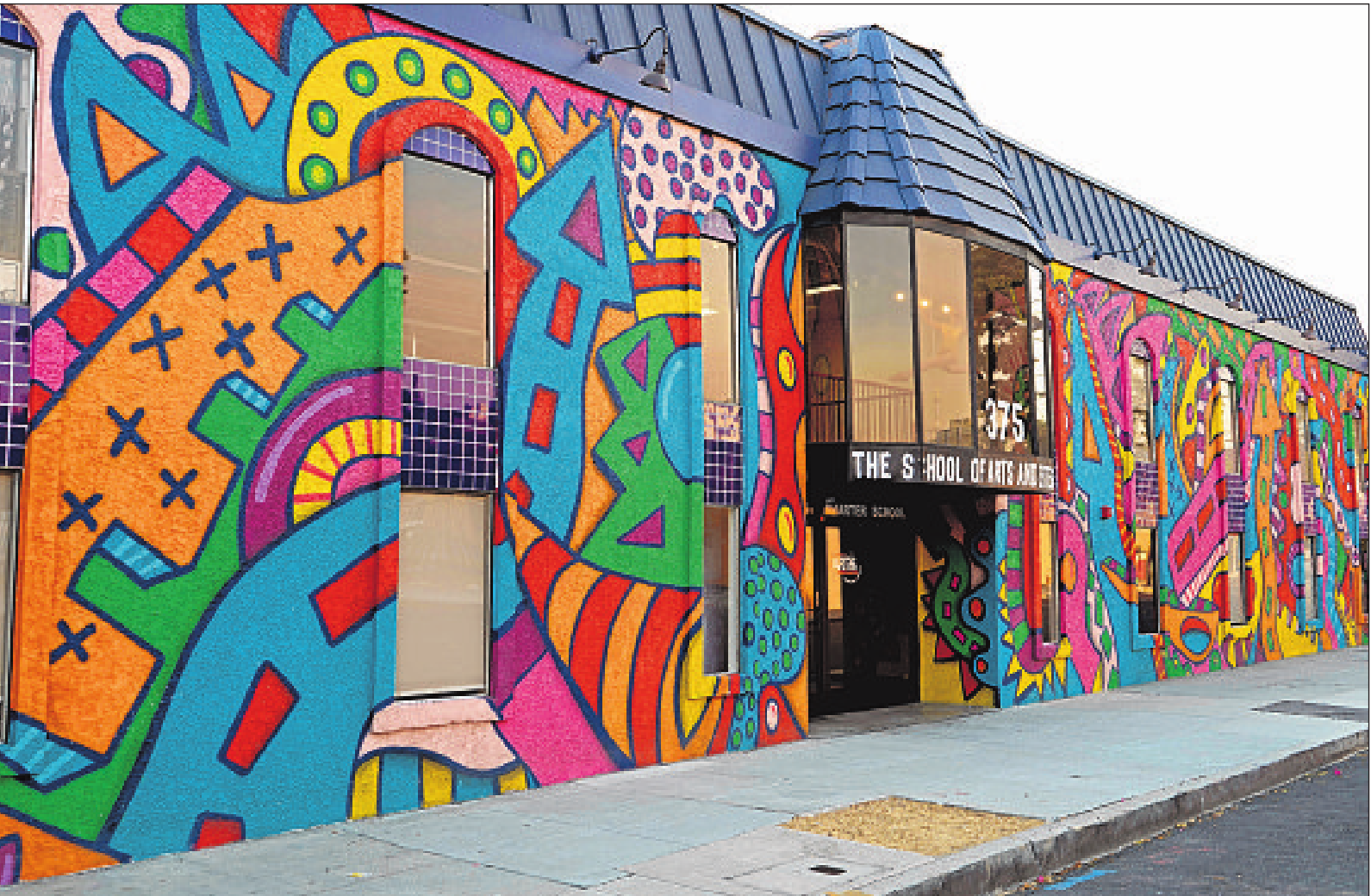
Higher ed: Cal Poly Pomona and the nearby Claremont Colleges provide convenient access to education opportunities and academic employment.

Neighborhood challenge Going the distance: Great
homes are more affordable in Pomona, but those savings come at the cost
of a long commute to Los Angeles, even on the train.
Expert insight
Lily
Rodriguez of Excel Realty has 28 years of experience in Pomona. Thanks
to investments from Western University and a resurging downtown arts
district, she describes it as a city on the rise.
“During
the last seven to eight years, the city loosened its criteria on
live-work units, so artists have been purchasing lofts,” Rodriguez said.
“That, combined with Pomona natives returning to live here after going
to college, has infused the city with a younger population.”
It’s
still a family-oriented area, but the growing number of young people —
along with the revamped Art Deco-vibe Fox Theater — has created a
nightlife scene.
“Pomona
is a gateway city to the Inland Empire,” Rodriguez said, noting that
its placement right on the edge of L.A. County gives it a distinct
advantage.
Los Angeles
allows significantly higher FHA loan limits compared with the
neighboring counties of San Bernardino and Riverside. For first-time
home buyers, that makes it an enticing landing spot.
Market snapshot The
majority of Pomona is split between three ZIP Codes: 91766, 91767 and
91768. For all three, the median sales price for singlefamily homes in
June was in the $400,000 range, and they all experienced year-over-year
growth, according to CoreLogic.
In
the 91766 ZIP Code, based on 32 sales, the median sales price for
single-family homes in June was $411,000, up 13.2% year over year,
according to CoreLogic.
In
the 91767 ZIP Code, based on 29 sales, the median sales price for
single-family homes in June was $436,000, up 17% year over year,
according to CoreLogic.
In
the 91768 ZIP Code, based on 24 sales, the median sales price for
single-family homes in June was $417,000, up 4.3% year over year,
according to CoreLogic
Report card
Of
the 36 public schools within the Pomona boundaries, Condit Elementary
scored the highest on the 2013 Academic Performance Index at 930.
The
city also holds a pair of high-performing high schools: International
Polytechnic High, which scored 879, and Diamond Ranch High, which scored
814.
hotproperty@latimes.com Times staff writer Jack Flemming contributed to this report.