In the late 1950s and early 1960s, the rapidlygrowing foothills communities provided a unique opportunity for young musicians and songwriters that few other aspiring artists enjoyed in that halcyon era.
On one side was the huge but sparsely populated San Bernardino County, where local radio stations enjoyed the freedom to break acts such as an unknown British quartet known as The Beatles.
The area bordered eastern Los Angeles County, which was the gateway to Hollywood at a time when new music styles forged by and for young people transformed a movie town into a music capitol.
And the epicenter for much of the music that would later reverberate through the succeeding decades was an obscure folk club near the county line chiefly remembered today for performances by an unlikely duo.
One was a composer who publicly scorned love songs, and explored themes ranging from politics to vegetables; the other a college classmate who wrote some of the most popular and influential romantic ballads of the era.
‘Really good people’ The Meeting Place – which some accounts refer to as Thee Meeting Place – located at 1275 W. Foothill Blvd. in Upland in the Sierra Athletic Club (then moved to a lo cation near today’s Fairplex) served as the Inland Valley’s premier folk club in the early 1960s when folk music encompassed a wide diversity of esoteric styles.
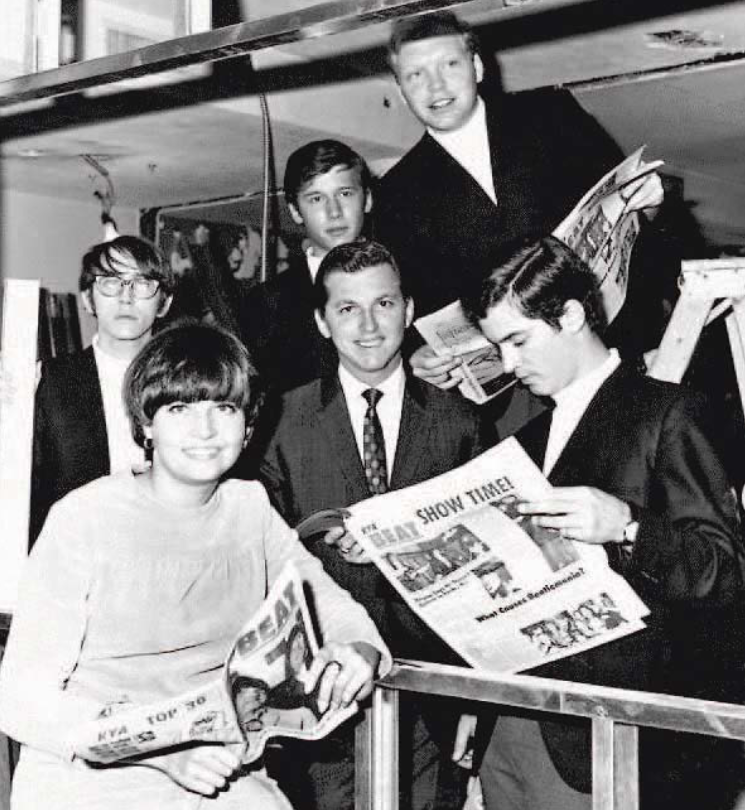
“Some really good people played there,” recalled “Wounds to Bind” author and We Five co-founder Jerry Burgen, whose band The Ridgerunners became We Five after being introduced to their lead singer by composer and then- Meeting Place manager Terry Kirkman.
From legendary folk singer/songwriter Buffy St. Marie to a young Bluegrass group called The Kentucky Colonels that featured young guitar legend Clarence White, The Meeting Place drew talent from the worldrenowned education complex stretching from Cal Poly Pomona to the University of La Verne to the Claremont Colleges and Chaffey Community College.
Enter Frank Zappa And it was in the Chaffey College music program where two unlikely jamming partners formed a friendship based on their love for avant garde music and freedom of expression. When a new instructor who believed that music “began and ended with John Phillip Sousa and Bach” invited the jazz majors in the Chaffey orchestra to leave, “there was an exchange of profanities,” said Kirkman.
“I wasn’t in the music department – and neither was Frank Zappa.”
Kirkman and Zappa began exploring the local music scene at The Meeting Place where Chino resident Kirkman worked as master of
ceremonies
before whittling a folk group into one of the first folk-rock bands The
Association and writing their biggest hits: the classic romantic
ballads “Cherish” and “Everything That Touches You.”
During
their improvised and freewheeling performances, “we’d pound conga
drums, sing songs from the Alan Lomax songbook,” Kirkman said.
“Frank would always do his parody tunes. We did a lot of parody tunes.”
Afterward,
the two artists followed very different paths to success in the music
industry, but left the history of the foothills with a startling and
humorous musical footnote.